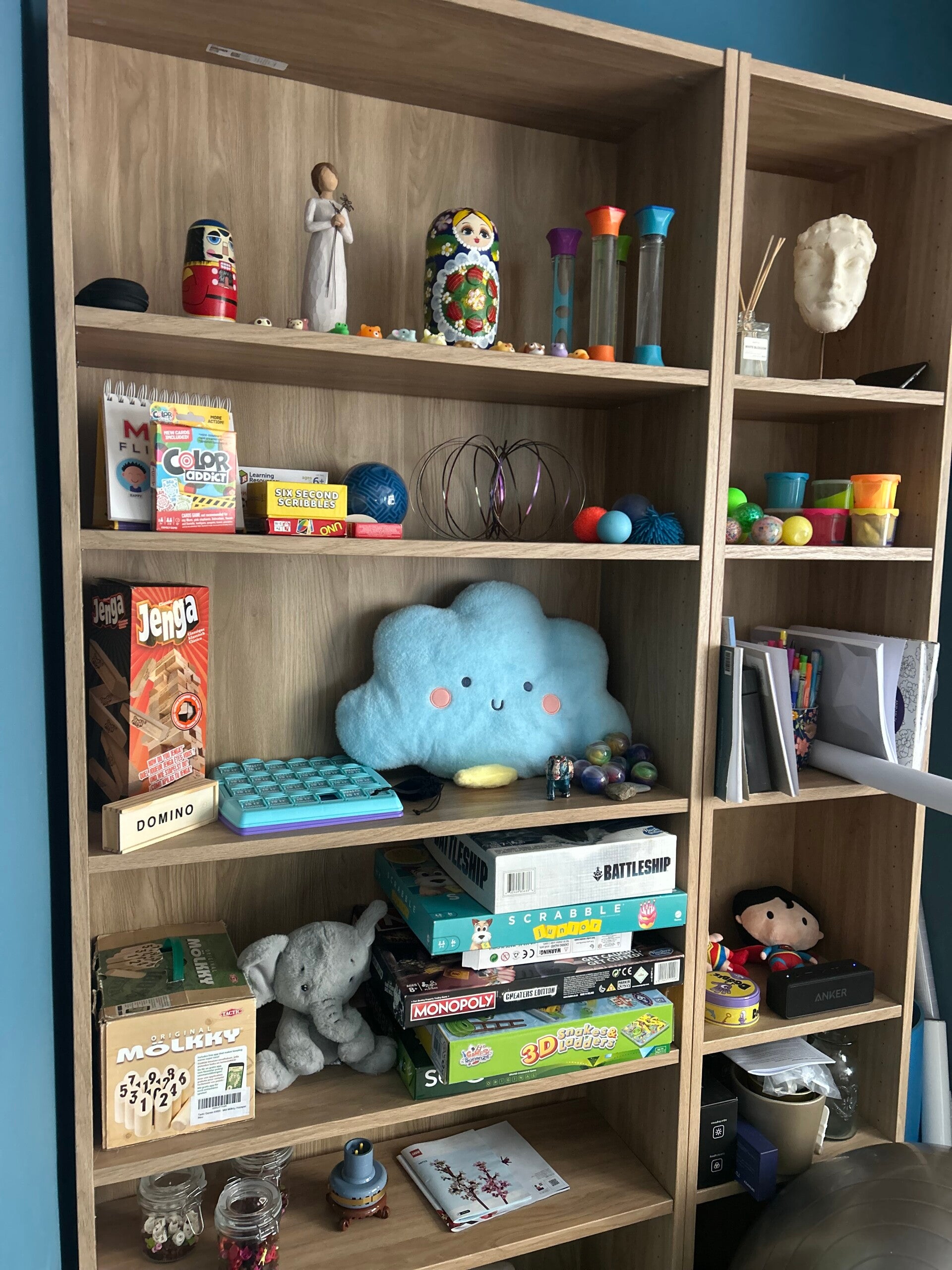
I offer a non-judgemental and low-demand space where you can let go of the outside world and begin to explore your experiences at your own space. Whether you are seeking support for anxiety, trauma (including past and present abuse), grief, loss, relationship challenges, stress, or a deeper sense of disconnection to your self, others and the world at large, therapy can offer a path toward healing and growth.


I provide trauma-informed, psychodynamic, somatic and integrative psychotherapy for adults, couples, and adolescents (teens 12-18) in Maynooth. My approach is rooted in an understanding of early life experiences, attachment, and the mind–body connection. Together, we can work to uncover the patterns that may be holding you back, develop emotional resilience, and support you in reconnecting with yourself and your world in a more meaningful way.


If you are looking for a therapist who will meet you with care, patience, and real understanding, I would be honoured to walk alongside you.

Our Services

Adult Therapy

Adult Therapy

Adolescent (Teen) Therapy

Couples Therapy 

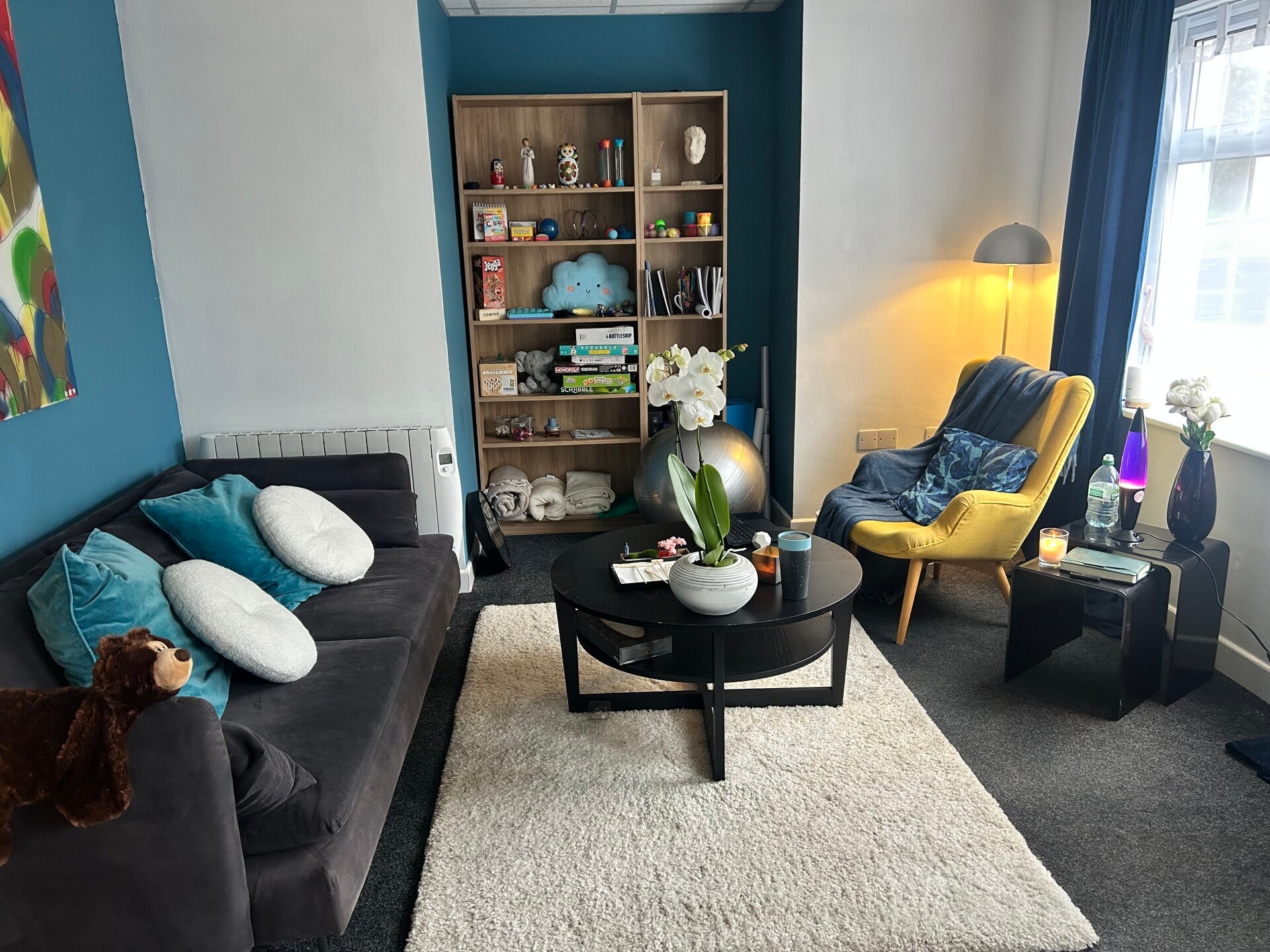
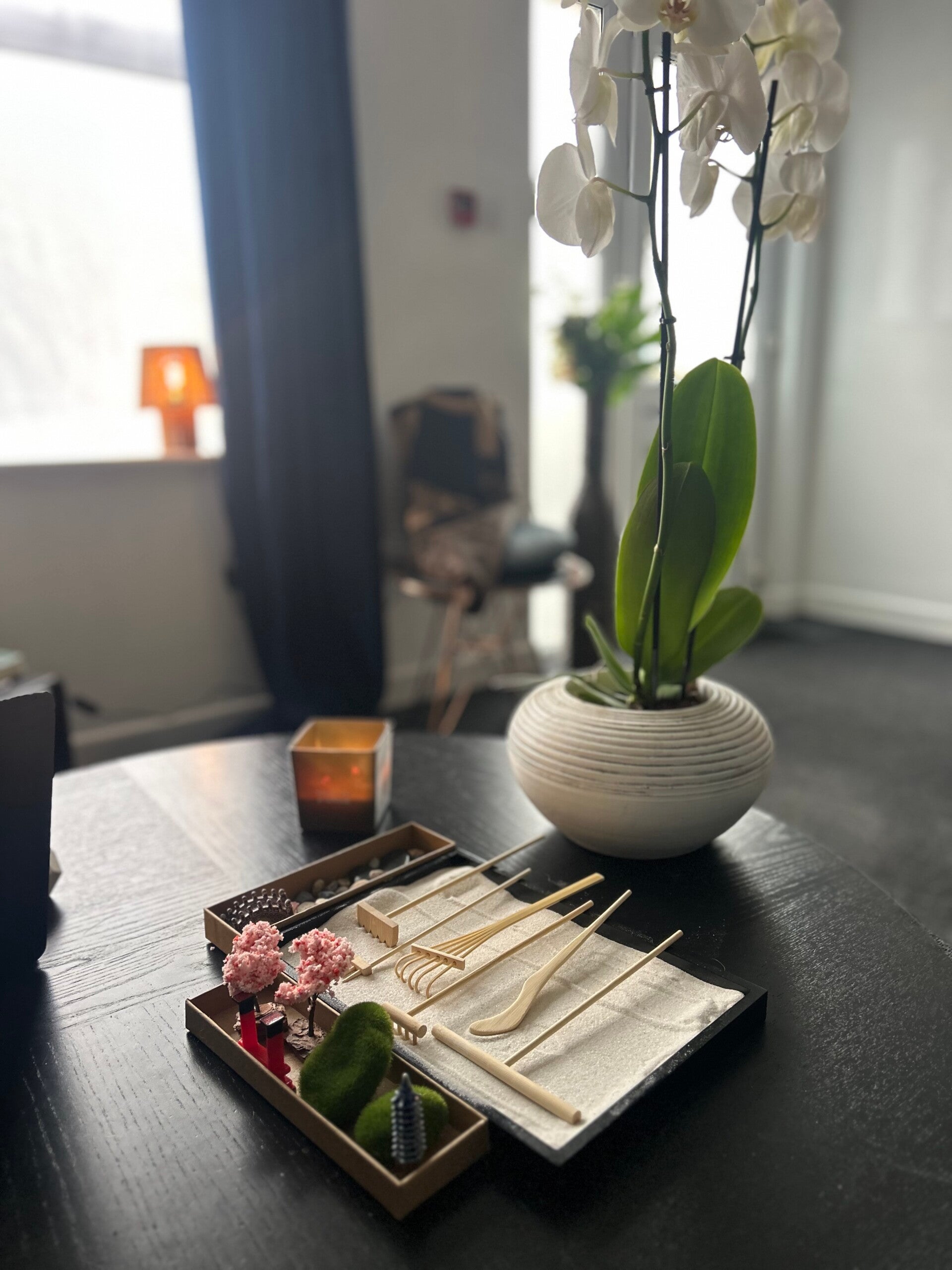
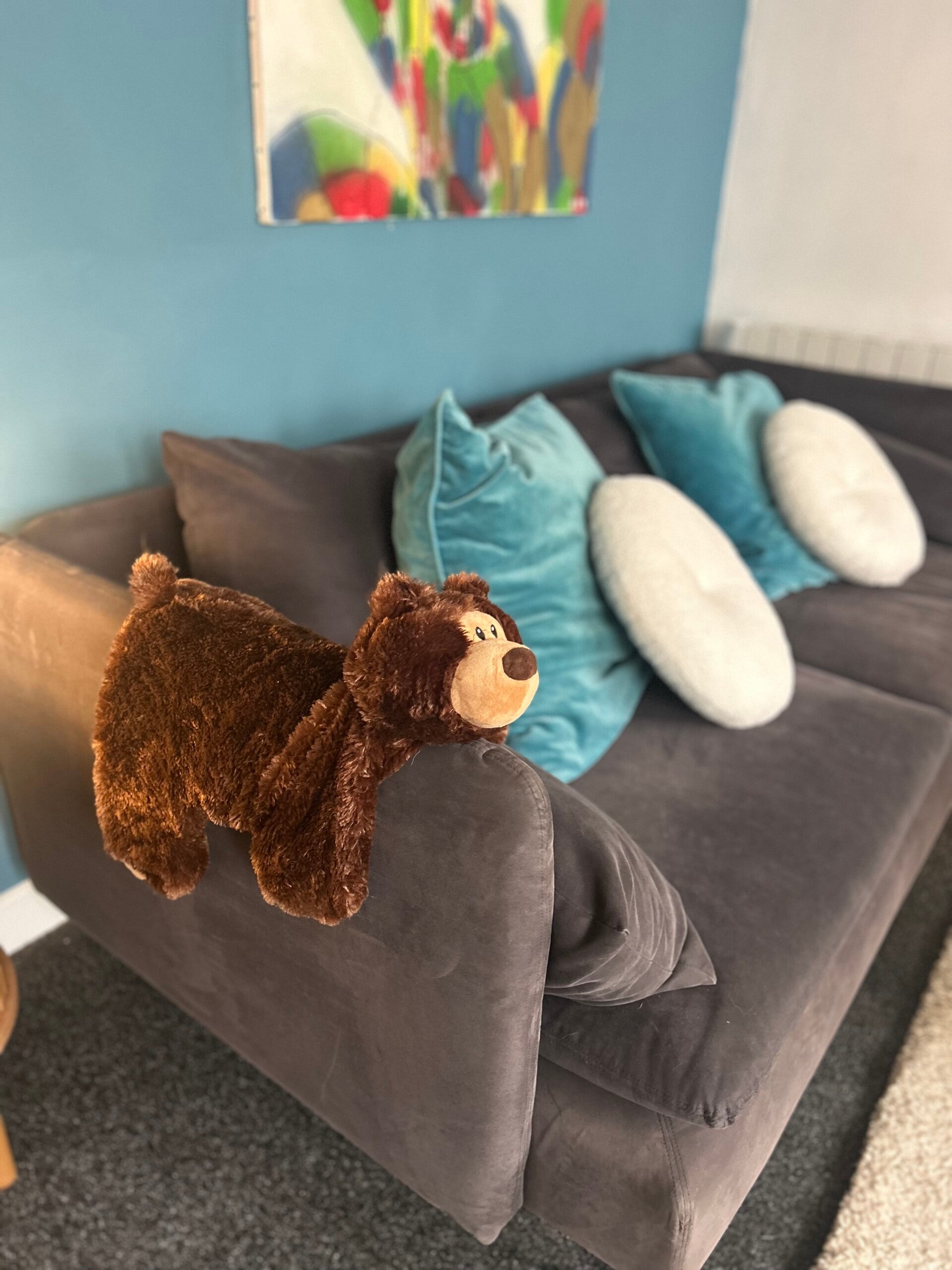
Our Space

Frequently Asked Questions

1. What issues can I bring to therapy?

You are welcome to bring whatever feels important to you. No taboo!

2. Why do you not offer CBT (Cognitive Behavioural Therapy)?

While Cognitive Behavioural Therapy (CBT) can be very helpful for many people, I work from a different foundation. My approach is trauma-informed, psychodynamic, somatic and integrative, which means I focus not only on symptoms or thoughts, but also on the deeper emotional patterns, early experiences, and relational dynamics that shape who we are.

Rather than offering strategies alone, I aim to create a steady space where lasting healing can take root—where we can explore not just "how to cope," but also why certain struggles may keep returning, and how new ways of being can slowly and naturally emerge.

That said, I often integrate elements of CBT, mindfulness, and nervous system support into therapy when they are helpful. Therapy with me is always tailored to you, meeting you where you are, rather than following a fixed, one-size-fits-all structure.

3. How often will we meet for therapy?

I offer weekly sessions as consistency is a crucial part in creating healing and growth.

4. How long does therapy last?

Therapy is a deeply personal process and looks different for everyone. Some people come for a few months to focus on a particular issue, while others choose to stay longer to explore deeper layers of experience. There is no fixed timeline but I ask a minimum commitment of 10 sessions for growth and healing to take place. 

5. How do you work with trauma?

If you are carrying trauma, we will move with great care. There is never pressure to speak about painful memories before you feel ready. At the beginning, we will focus on creating a strong foundation of safety and stability. I may offer simple grounding tools—like mindful breathing or noticing sensations—that can help when emotions feel overwhelming. Throughout our work, I will be a steady presence, helping you stay connected to the present and making sure that you are not alone with whatever arises. Healing from trauma is possible, and it begins with feeling safe enough to take the first step.

6. What if I have forgotten large parts of my past?

It is very common, especially for those who have lived through overwhelming or painful experiences, to have gaps in memory. Therapy does not require you to remember everything. We work with what is present now—your emotions, your experiences, your sense of yourself in the world. Healing comes from creating a sense of safety, connection, and meaning in the present, not from forcing memories to return. Whatever you remember—or do not remember—is welcome.

7. Will I have to talk about everything straight away?

No. Therapy is not about pushing yourself beyond what feels manageable. We move at your pace. 

8. What if I do not know what I am feeling?

Many people come to therapy feeling unsure about their emotions or feeling disconnected from them altogether. This is often a natural response to stress, trauma, or life demands. In therapy, we can gently explore what is happening inside—sometimes through words, sometimes through noticing your body’s signals, and sometimes simply by sitting with what is there. You do not need to have it all figured out. We begin with where you are.

9. What if I am afraid to open up or be vulnerable in therapy?

It is completely natural to feel nervous or uncertain about opening up, especially if you have been hurt or had to protect yourself in the past. In therapy, there is no expectation to share everything right away—or ever, if it does not feel right. We will move at a pace that feels safe for you. Building trust takes time, and part of my role is to offer a steady, non-judgmental space where all parts of you are welcome, including the parts that feel unsure, guarded, or afraid. Your vulnerability will be met with care, patience, and respect.

10. How do I book an appointment?

You can get in touch through the contact form on my website, or reach out by email or phone. I usually suggest a FREE 15 minutes assessment phone call so you can ask any questions you might have and we can find a time that suits you. I offer in-person sessions in Maynooth.

“I don't know what I would have done without Sonia. I started therapy when I was at my lowest point and facing a lot of challenges. Although the challenges are still here, she has brought me back to a place where I enjoy life again and feel strong enough to face them. She is so kind, compassionate and I feel so safe when I am with her, that I am able to be myself for the first time ever. From the bottom of my heart, thank you! ”

(former client)

Contact us


Appointments available in Maynooth.


Tel: 087 961 8065 

Email: sonia@thrivepsychotherapy.ie

About us

Thrive Psychotherapy and Counselling offers trauma-informed therapy for adults, adolescents, and couples  in Maynooth. We provide a steady, compassionate space to explore challenges such as anxiety, stress, grief, loss, relationship difficulties, trauma, including past or present abuse. Our approach is integrative, with a focus on attachment, early life experiences, and the mind–body connection. At Thrive, we support each client’s journey toward resilience, healing, growth and deeper self-understanding.